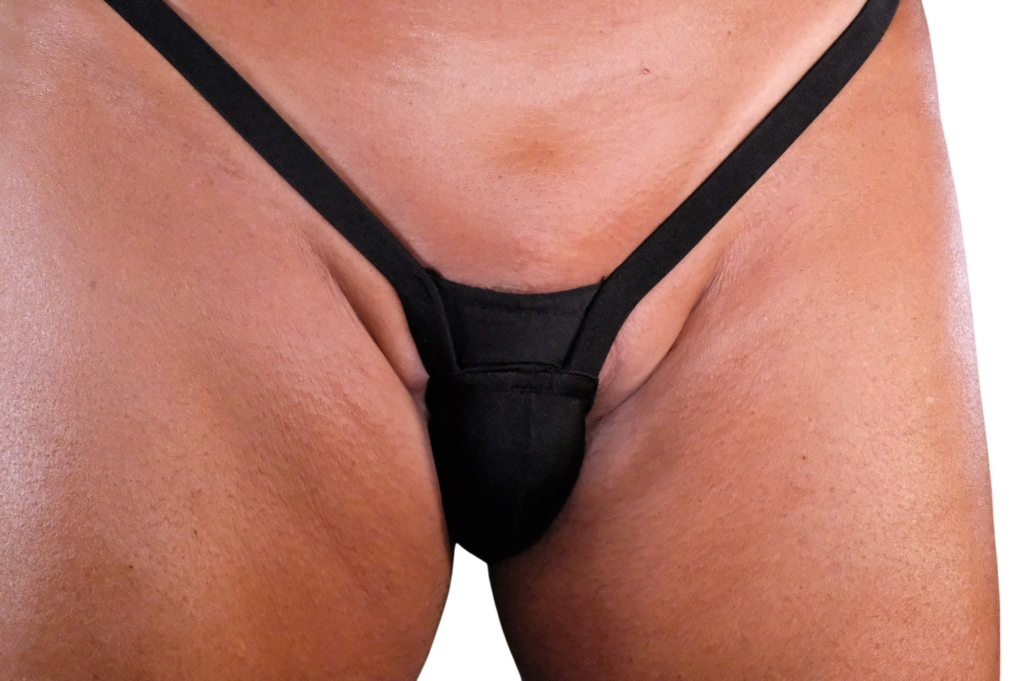
How and Why Men’s Gay Swimsuit Designs Have Gone Micro: The Evolution of Minimal Swimwear and Gender-Inclusive Fashion
Discover why gay men’s swimsuit designs have become increasingly micro, from fashion trends and body positivity to gender-inclusive swimwear and silhouette-smoothing designs.
The Complete Guide to How and Why Gay Men’s Swimsuit Designs Have Gone Micro
Over the past several decades, gay men’s swimwear has helped influence broader men’s fashion by embracing bolder colors, more tailored cuts, and increasingly minimal silhouettes. Styles that once stood out as unconventional—such as briefs, bikinis, and body-conscious designs—are now widely available from mainstream brands around the world.
One notable trend has been the rise of micro swimwear, which uses less fabric while emphasizing fit, comfort, and personal style. Alongside this shift, some designers have introduced gender-inclusive or silhouette-smoothing swimwear intended for people who want a flatter front profile, including transfeminine individuals, nonbinary people, and others exploring different forms of self-expression.
This guide explores how these trends developed, why they continue to grow, and the wide variety of micro swimwear available today.
The Evolution of Men’s Swimwear
Men’s swimwear has changed dramatically over the last century.
Early swimsuits were:
- Heavy
- Loose fitting
- Made from wool or cotton
- Designed primarily for modesty
As synthetic fabrics such as nylon, Lycra®, and spandex became widely available, swimwear became:
- Lighter
- Faster drying
- More comfortable
- More form fitting
Competitive swim briefs helped popularize streamlined silhouettes, while fashion designers introduced increasingly varied cuts inspired by European and Brazilian beach culture.
The Influence of LGBTQ+ Fashion
Gay communities have long played an important role in expanding men’s fashion.
Swimwear trends associated with LGBTQ+ beach culture often emphasized:
- Bold colors
- Body-conscious tailoring
- Shorter cuts
- Fashion experimentation
- Confidence in personal style
Over time, many of these ideas influenced mainstream swimwear, making fitted briefs, bikinis, and shorter trunks far more common than they were a generation ago.
Why Have Men’s Swimsuits Become Smaller?
Several factors have contributed to the popularity of micro designs.
Fashion
Fashion continually evolves.
Many men now prefer:
- Cleaner silhouettes
- Less excess fabric
- Modern tailoring
- Contemporary cuts
Minimalist swimwear reflects these broader design trends.
Better Tan Lines
One of the simplest reasons people choose micro swimwear is to reduce tan lines.
Smaller suits expose more skin while still providing coverage appropriate to the style.
Comfort
Many wearers appreciate:
- Lightweight fabrics
- Reduced bunching
- Greater freedom of movement
- Less drag in the water
Confidence and Self-Expression
For some people, wearing a smaller swimsuit is a way to express their personal style rather than conforming to traditional expectations.
Micro swimwear appeals to individuals who enjoy minimalist fashion and body-conscious design.
What Is a Micro Swimsuit?
A micro swimsuit generally uses significantly less fabric than a traditional swim brief.
Examples include:
- Micro briefs
- Micro bikinis
- Brazilian cuts
- String bikinis
- Micro thongs
- Ultra-low-rise designs
Each style offers a different balance of coverage, support, and aesthetic.
Popular Micro Swimwear Styles
Micro Briefs
These resemble athletic swim briefs but with:
- Narrower sides
- Lower rise
- Smaller overall cut
They are often a comfortable entry point for people exploring minimalist swimwear.
Brazilian Bikinis
Brazilian styles feature:
- Narrow side seams
- Contoured fit
- Rounded back coverage
They remain one of the most popular fashion-oriented options.
String Bikinis
String bikinis use adjustable side ties that allow for a personalized fit and minimal tan lines.
Micro Thongs
Where allowed by venue rules, micro thongs are chosen by some wearers for maximum freedom of movement and minimal fabric.
The Rise of Gender-Inclusive Swimwear
Another important development has been the growth of swimwear designed for a wider range of gender expressions.
Some brands now offer designs intended to:
- Create a smoother front profile
- Support tucking techniques
- Accommodate different anatomies
- Work for transfeminine, nonbinary, or gender-diverse wearers
These garments focus on fit and silhouette rather than assuming a specific gender identity.
Silhouette-Smoothing Designs
Some swimwear incorporates construction techniques that help create a flatter appearance at the front.
Depending on the garment, this may involve:
- Compression fabrics
- Layered front panels
- Specialized lining
- Pattern shaping
- Reinforced construction
These features are intended to help clothing lie more smoothly without changing the body itself.
Some people pair these garments with external shaping accessories or tucking methods, while others wear them on their own.
Who Chooses Gender-Inclusive Swimwear?
People who may choose these styles include:
- Transfeminine individuals
- Nonbinary people
- Gender-fluid people
- Crossdressers
- Drag performers
- Cosplayers
- Anyone who prefers a smoother front profile for aesthetic reasons
Not everyone who wears these garments identifies with a particular label; motivations vary widely.
The Role of Fabric
High-performance fabrics have made micro swimwear more practical.
Popular materials include:
Lycra and Spandex
These provide:
- Four-way stretch
- Shape retention
- Comfortable compression
- Quick drying
Nylon Blends
Nylon offers:
- Durability
- Softness
- Bright color retention
Double-Layer Construction
Some gender-inclusive swimwear uses double-layer panels to increase support and reduce transparency.
Colors and Prints
Modern micro swimwear comes in a wide range of styles.
Popular solid colors include:
- Black
- White
- Navy
- Red
- Turquoise
Popular prints include:
- Tropical motifs
- Geometric patterns
- Abstract graphics
- Pride-inspired color palettes
Choosing the Right Fit
Proper fit is essential.
A swimsuit should:
- Stay secure during swimming
- Feel comfortable when wet
- Avoid excessive pressure
- Allow natural movement
If you’re considering silhouette-smoothing or compression styles, consult the brand’s sizing guide carefully rather than sizing down excessively.
Confidence and Personal Style
Minimal swimwear is not about meeting one body ideal.
People of many body types enjoy:
- Swim briefs
- Bikinis
- Brazilian cuts
- Micro designs
Choosing a style that fits well and aligns with your comfort level is generally more important than selecting the smallest possible suit.
Pool and Beach Etiquette
Before wearing very minimal swimwear:
- Check the venue’s dress code.
- Respect local customs and regulations.
- Be mindful that different beaches, pools, and resorts have different expectations regarding acceptable swimwear.
Frequently Asked Questions
Are micro swimsuits only worn by gay men?
No. Micro swimwear is worn by people of many sexual orientations. While these styles have long been popular in some LGBTQ+ communities, they have also gained wider appeal in mainstream fashion.
What is gender-inclusive swimwear?
It refers to swimwear designed to accommodate a variety of bodies and gender expressions, rather than assuming a single traditional fit or presentation.
Do silhouette-smoothing swimsuits permanently change your body?
No. They temporarily shape the appearance of the body while being worn through garment construction, compression, or compatibility with optional shaping techniques.
Are micro swimsuits comfortable?
Many people find them comfortable because they use lightweight fabrics and allow freedom of movement. Comfort depends on choosing the correct size and style.
Can anyone wear these styles?
Yes. People choose different swimwear for reasons ranging from fashion and athletic performance to gender affirmation and personal expression.
Final Thoughts
The evolution of gay men’s swimwear toward micro designs reflects broader changes in fashion, technology, and attitudes about self-expression. What began as a move toward more streamlined, body-conscious silhouettes has expanded into a diverse range of options that includes athletic briefs, fashion bikinis, Brazilian cuts, and gender-inclusive designs for many different bodies and identities.
At the same time, silhouette-smoothing swimwear has opened new possibilities for transfeminine people, nonbinary individuals, and anyone seeking a flatter front profile without permanent body changes. These innovations demonstrate how swimwear continues to evolve to meet a wider range of needs and preferences.
Ultimately, the best swimsuit is one that fits well, suits the setting, and helps the wearer feel comfortable and confident—whether it’s a classic swim brief, a minimalist micro bikini, or a thoughtfully designed gender-inclusive style.