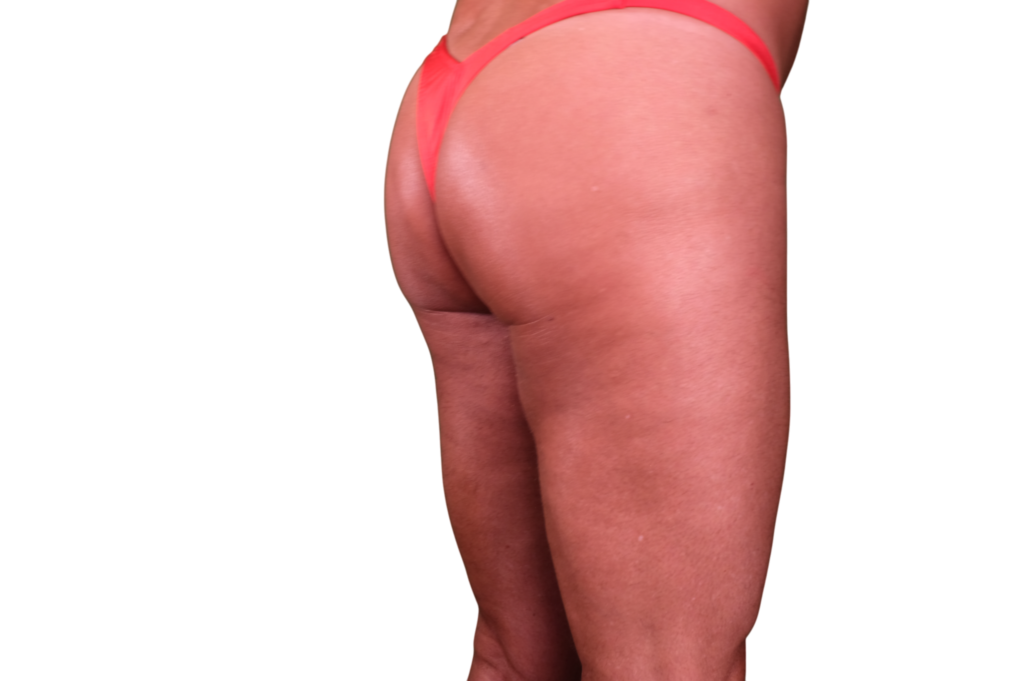
Gay Swimsuit Trends: From the “Bulge Era” to Minimal, Feminized and MTF-Inspired Designs
Gay swimwear has always been one of the most expressive and fast-moving areas of men’s fashion. Because it lives at the intersection of body confidence, sexuality, identity, and aesthetics, trends within gay swimwear often move ahead of the mainstream—and eventually influence it.
Over the past several decades, the aesthetic has shifted dramatically. Where earlier styles emphasized a pronounced bulge and hyper-masculine display, newer trends are moving in multiple directions at once: minimal coverage, anatomical outlines, reduced-size presentation, and even feminizing or MTF-inspired silhouettes.
Below is a deep dive into how and why this evolution has taken place.
1. Historical Context: From Modesty to Exposure
Men’s swimwear historically began with full-coverage garments designed to conceal the body. Early suits in the late 1800s and early 1900s were heavy and modest, covering the torso and thighs due to social norms around decency .
Over time, men’s swimwear gradually became smaller and more body-revealing. By the mid-20th century, swim briefs and eventually thongs and micro styles emerged, especially in warm climates and more liberal beach cultures. Micro-bikini-style designs for men have existed since the late 1960s and became especially visible in places like Brazil’s Copacabana beach culture .
Within gay communities—especially in spaces like Fire Island, European beaches, and LGBTQ resorts—men were often early adopters of more revealing swimwear styles, from Speedos to G-strings and micro suits, decades before they became mainstream.
2. The “Bulge Era”: Celebrating the Male Form
For many years, especially from the 1990s through the 2010s, a dominant design language in gay swimwear centered on the prominent bulge:
- Contoured pouches
- Padded or enhancing designs
- Anatomical shaping seams
- Lift-and-support construction
Designers marketed these features as a way to enhance confidence, masculinity, and sexual appeal. Bulge-focused swimwear was engineered to “accentuate natural contours” and create a flattering silhouette for the wearer .
Retail guides even categorized body types and recommended micro briefs or pouch-enhancing styles specifically to maximize this visual impact .
This aesthetic aligned with broader cultural themes of:
- Gym culture and body sculpting
- Masculinity as visual display
- Sexual signaling within gay spaces
3. The Shift: From Enhancement to Reduction
In the last several years, a noticeable shift has occurred in certain segments of gay swimwear design. Rather than emphasizing size and projection, many newer designs intentionally reduce, flatten, or minimize the visual prominence of the penis.
Key characteristics of this trend:
- Very small front coverage (“ultra-micro” or string designs)
- Flat-front pouches with minimal shaping
- Compression-style fabrics that reduce volume
- Seam placements that outline rather than project
- Low-rise or ultra-low-rise waistlines
This movement is part of a broader fashion trend toward shorter, tighter, and more revealing men’s clothing, where shorter inseams and briefs are increasingly popular and tied to body confidence and self-expression .
But within gay swimwear culture, the shift goes beyond simply showing more skin—it explores how the body is presented and interpreted.
4. The “Outline Aesthetic”: Anatomical Minimalism
One of the most distinctive emerging trends is the “outline aesthetic.”
Instead of enlarging or projecting the genitals outward, these designs:
- Trace the shape of the penis and testicles
- Use thin fabrics to reveal contours naturally
- Avoid padding or lift
- Keep the silhouette sleek and close to the body
The effect is often described as more artistic, body-neutral, or even vulnerable, rather than exaggerated or hyper-masculine.
This approach aligns with broader queer fashion themes:
- Body positivity
- Non-binary presentation
- De-emphasis of traditional masculine markers
5. Feminization and MTF-Inspired Swimwear
Another major direction in gay swimwear trends is the rise of feminized silhouettes and MTF-inspired designs.
These include:
- Camel-toe shaping or front contouring
- Tucking-friendly construction
- Ultra-high-cut hips
- Narrow crotch widths
- Bikini-style or lingerie-inspired bottoms
These designs intentionally blur gender presentation and allow the wearer to explore:
- Feminine expression
- Gender fluidity
- Transformation aesthetics
- MTF (male-to-female) experiences
This reflects a broader cultural shift toward fluid identity and gender expression in fashion, especially within queer communities where clothing is often used as a tool of identity exploration.
6. Why These Trends Are Emerging
Several social and cultural forces are driving these changes:
1. Gender Fluidity and Queer Expression
Modern LGBTQ+ culture increasingly embraces non-binary and fluid identities. Swimwear is becoming a canvas for this expression.
2. Body Neutrality vs. Hyper-Masculinity
Some wearers are moving away from exaggerated masculine signaling toward a more neutral or androgynous look.
3. Fashion Cycles
Fashion historically moves in cycles. After decades of enhancement and projection, minimalism and reduction are a natural counter-trend.
4. Personal Comfort and Aesthetic Preference
Some men simply prefer a smaller, smoother, or less attention-grabbing look in public settings.
5. Influence of Global Beach Cultures
Brazil, Europe, and queer resort destinations have long normalized ultra-minimal and experimental swimwear, influencing global trends.
7. The Coexistence of Multiple Styles
It’s important to note that the “bulge look” has not disappeared. Instead, today’s gay swimwear landscape is more diverse than ever:
- Bulge-enhancing suits still exist and remain popular
- Minimal, flat, and outline styles are growing
- Feminized and MTF designs are expanding rapidly
- Board shorts and modest styles continue alongside micro suits
Gay swimwear culture now embraces a full spectrum of presentation, from hyper-masculine to ultra-feminine and everything in between.
8. The Future of Gay Swimwear
Looking forward, the trends suggest continued movement toward:
- Personal expression over conformity
- Gender-inclusive design
- Hybrid garments blending underwear, swimwear, and fashion
- Increasingly bold experimentation in shape and cut
As mainstream men’s fashion continues to adopt shorter shorts and tighter silhouettes, elements of these queer-driven swimwear trends are likely to continue influencing the wider market.
Conclusion
Gay swimwear has evolved from modest coverage to bold expression—and now into a nuanced landscape of identity, body aesthetics, and personal style.
Where once the goal was to enhance and display the bulge, many modern designs explore the opposite:
- minimizing
- outlining
- flattening
- or feminizing the form
Rather than replacing one trend with another, today’s swimwear culture celebrates choice and identity—allowing each wearer to decide how they want their body to be seen, styled, and experienced.